
A friend was keen to add e-assist to their commuter bike – a Trek FX3, gen 1 I think. Anyway, as I have now fitted four of these motors to two tandems, an MTB solo and a recumbent trike, I offered to fit it for them.
Before I had seen the bike, we decided on a rear rack battery, which proved to be the right choice, as the bike is a step-through with limited space on the main downtube. To be legal in the UK it needs to be the BBS01 250W motor. The battery is a big one at 20 Ah but it’s from a reputable company that’s in partnership with Bafang. Other, smaller rack batteries were a little more expensive and I didn’t recognise the brand name. If the bike is used for commuting, it will enable more trips between charges, or much longer rides without ‘range anxiety’.
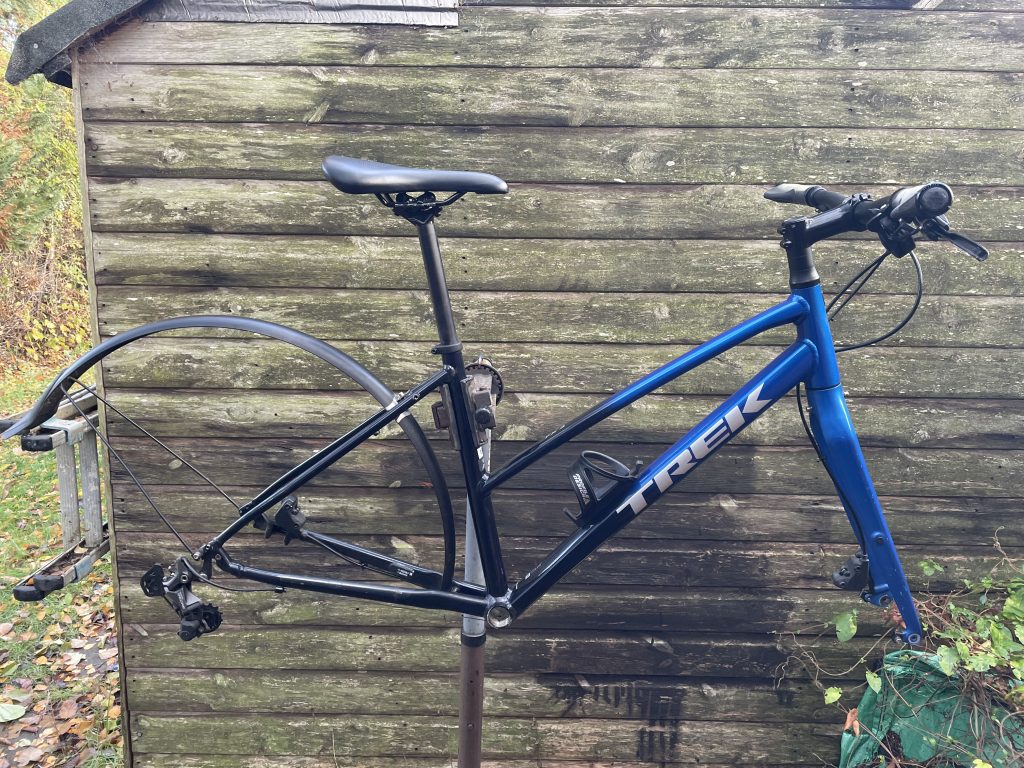
First job was to remove the cranks and bottom bracket and, to keep things easy to work on, I removed the wheels too. I also removed the rear carrier fitted to the bike, as the kit on order has one with the integrated, removable battery.
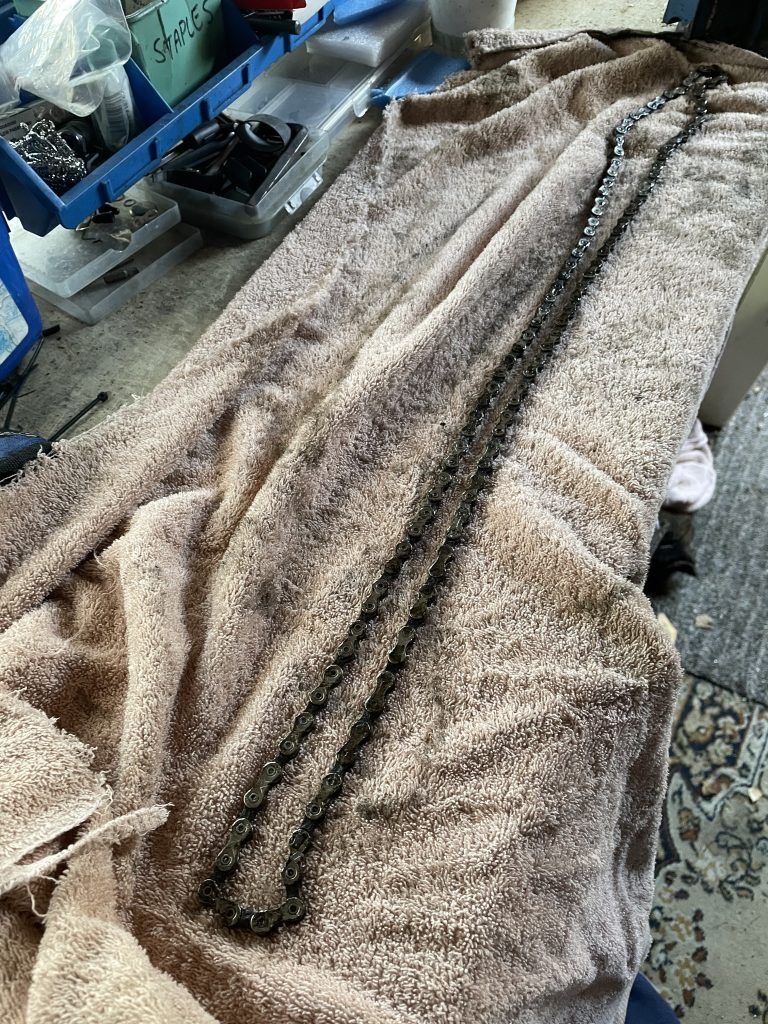
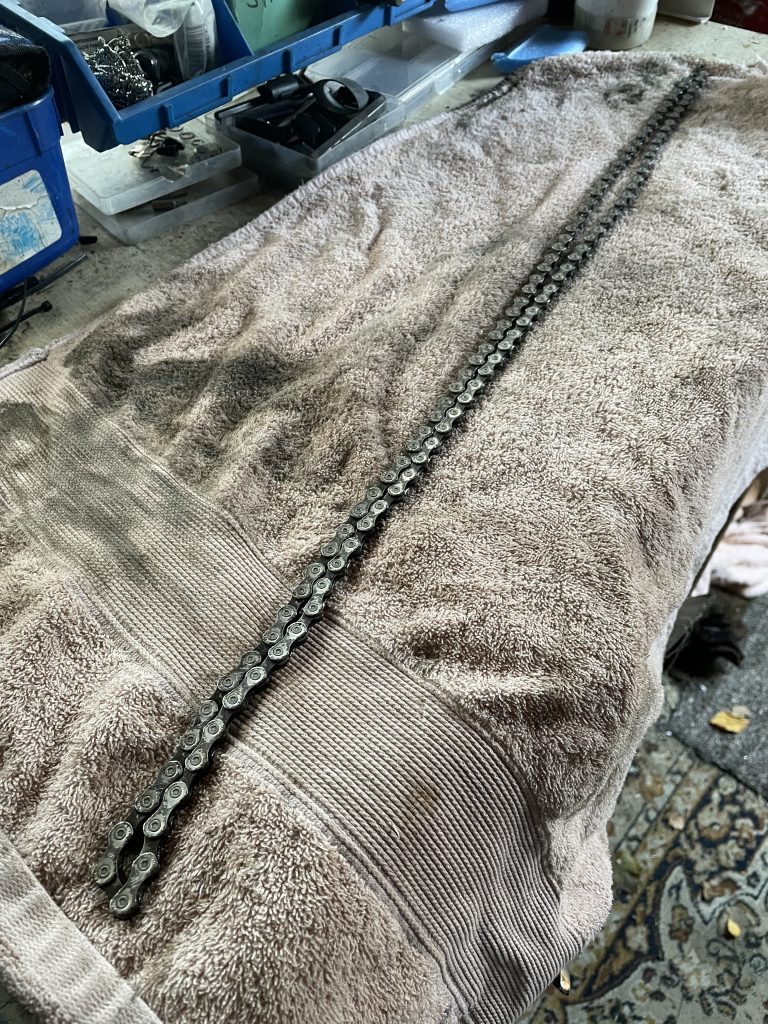
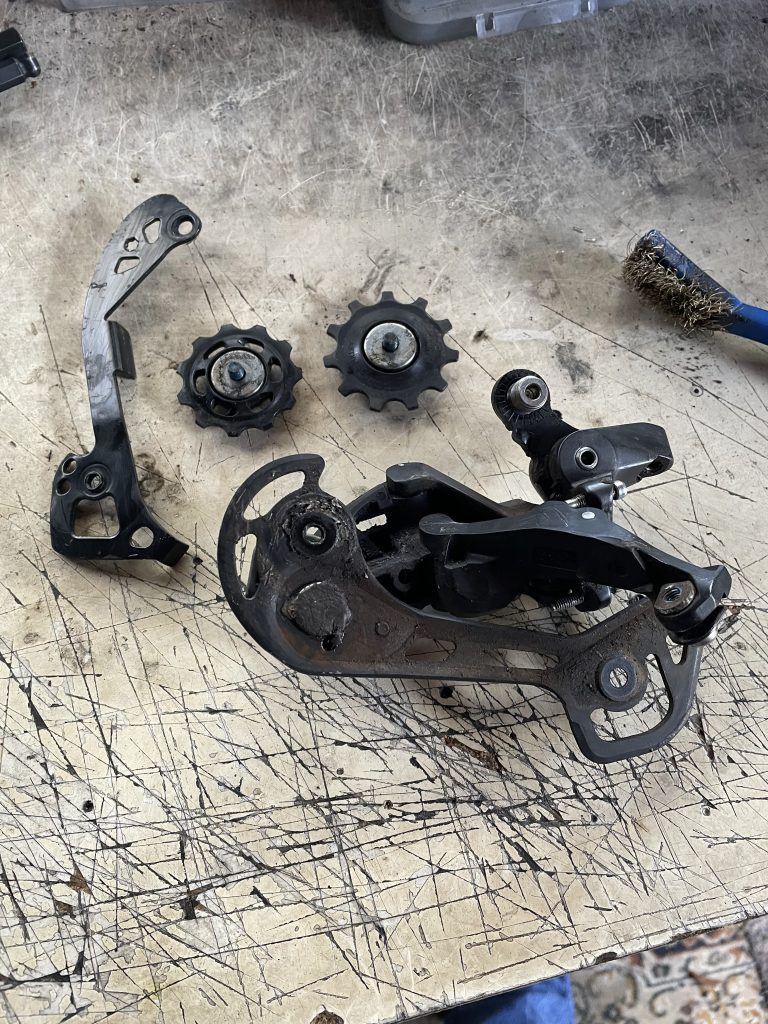
Wax had been used on the chain, so I cleaned it off. The wax had also dried on the rear mech and seemed to be making the movement stiff, so I removed it from the bike and cleaned it up as best I could.
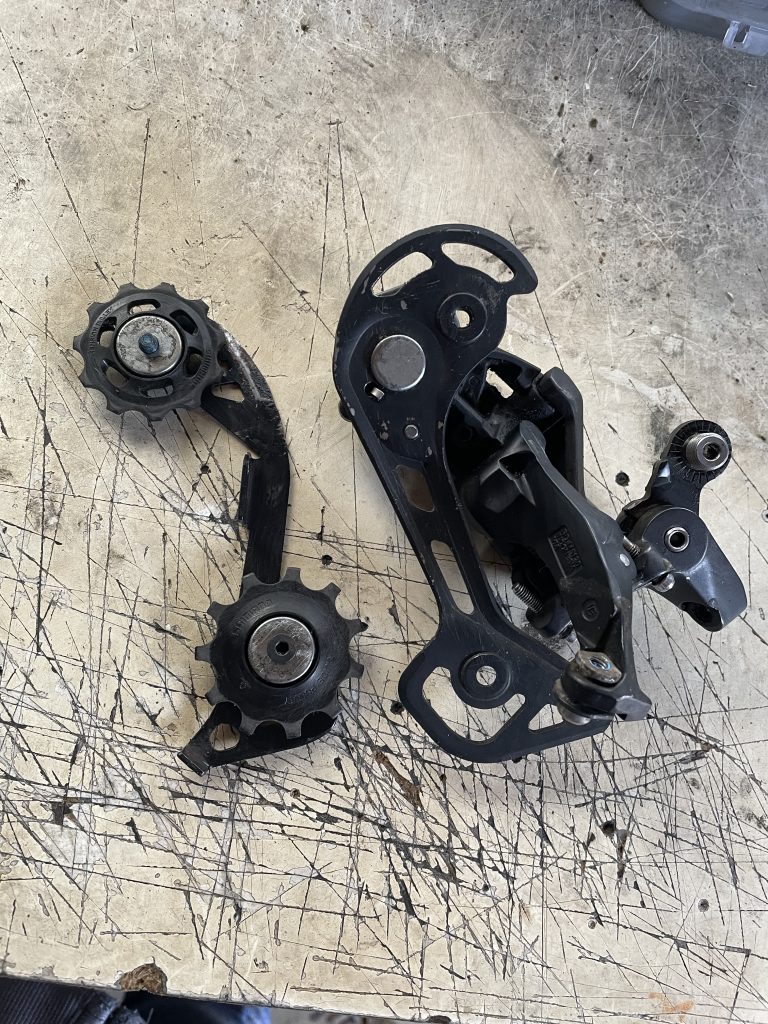
A day later the kit turned up… delivered from Poland and two days ahead of the scheduled delivery date.
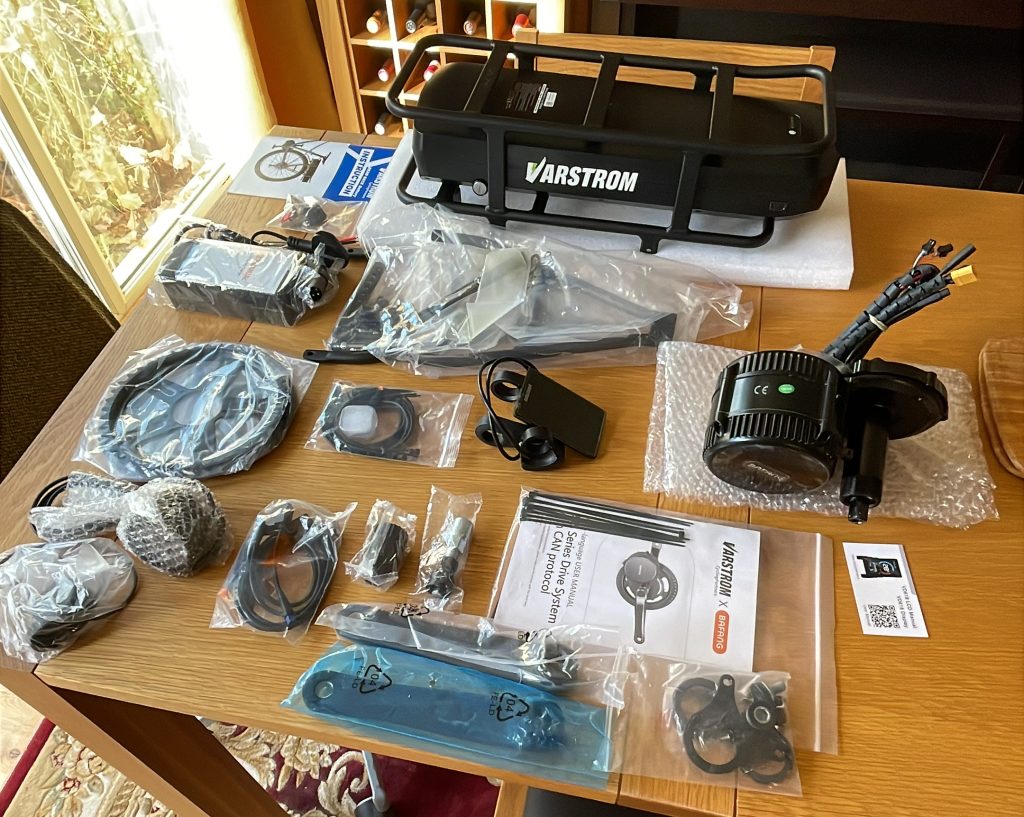
The motor is the newer one with a CAN bus rather than the older UART protocol. The connections are different, so ‘mix and match’ is not possible. The display has to be compatible with the CAN bus connections. When ordering there’s a choice of brake levers with built-in sensors (for cable brakes), or sensors for hydraulic brake levers. I tried the sensors on my mountain bike that has Hope hydro brakes, but when one stopped working after a few months, I removed them both and, personally, haven’t missed them. It’s rare to continue pedalling when you brake.
The kit also comes with a throttle, but to fit it you need to remove handlebar grips and brake levers etc. to slide it on to the bars. Had it been simpler, I would have fitted it but left it disconnected, as a throttle would make the bike illegal if used on public roads.
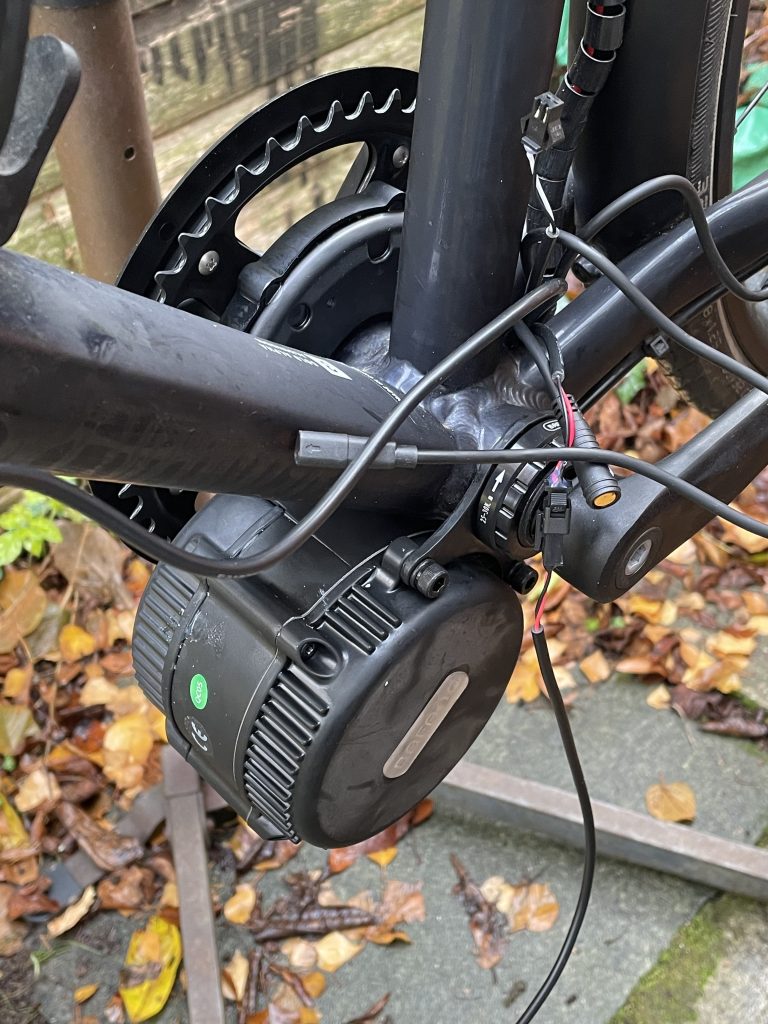
Fitting the motor is very straightforward. The bottom bracket part attached to the motor slides into the frame from the drive side then is clamped in place using a bracket and lockring on the non-drive side. There’s a bunch of cables from the motor: power lead with connector for the supply from the battery, the main ‘comms’ cable that connects to the wiring harness with all the handlebar connections, two light cable – front and rear, the speed sensor cable and a gear change sensor cable.
I added some extra insulation to these where they exit the motor, to group them all together for the first few inches. The power cable and light cables also needed a little extra covering where the base wires were not sleeved.
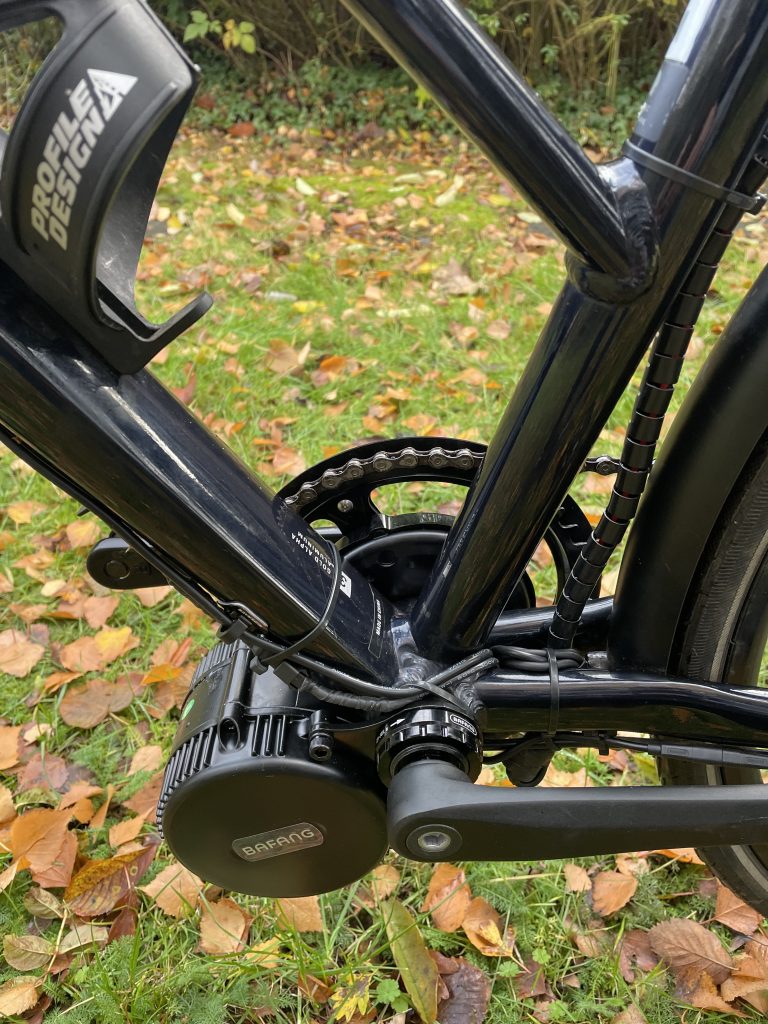
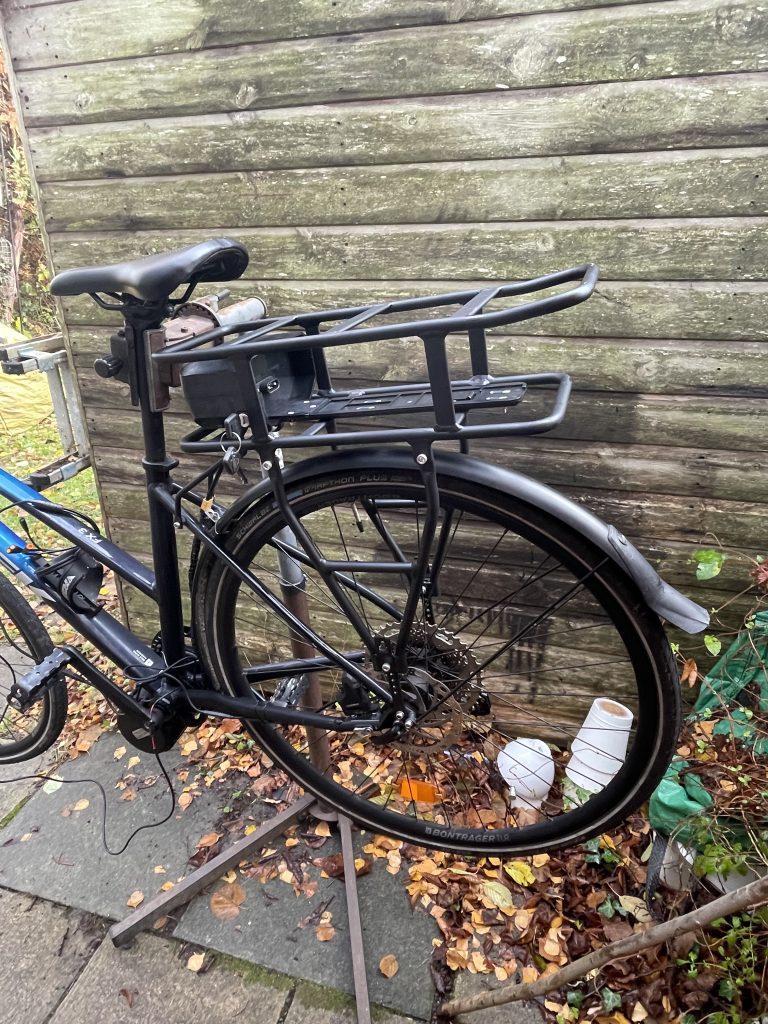
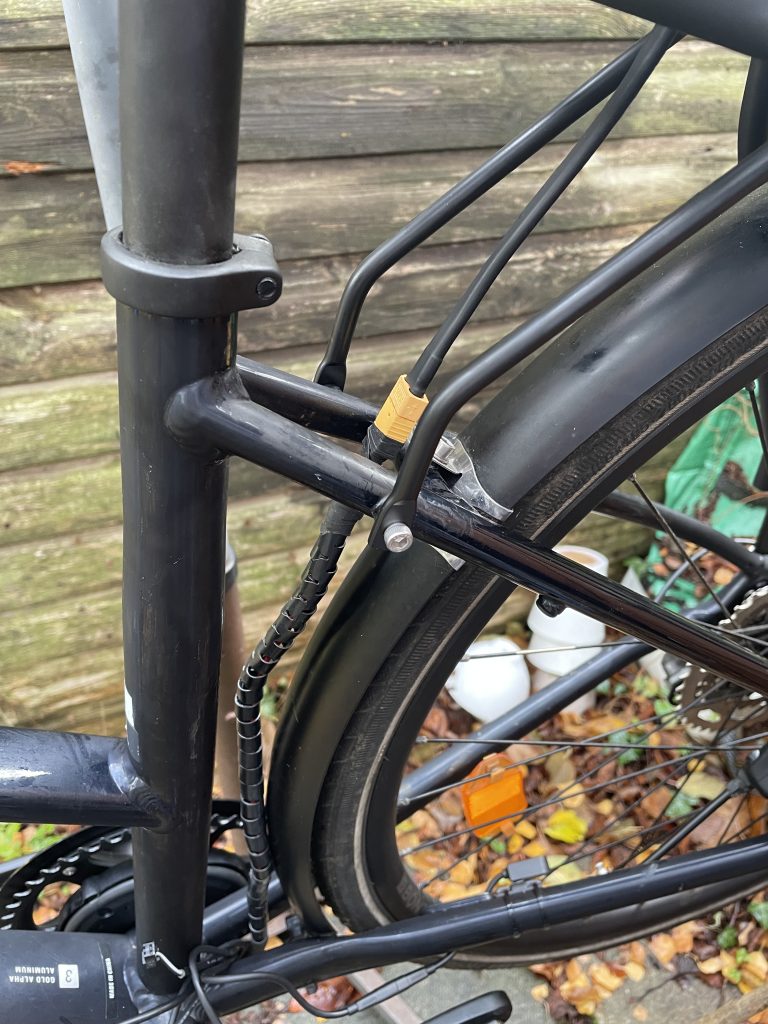
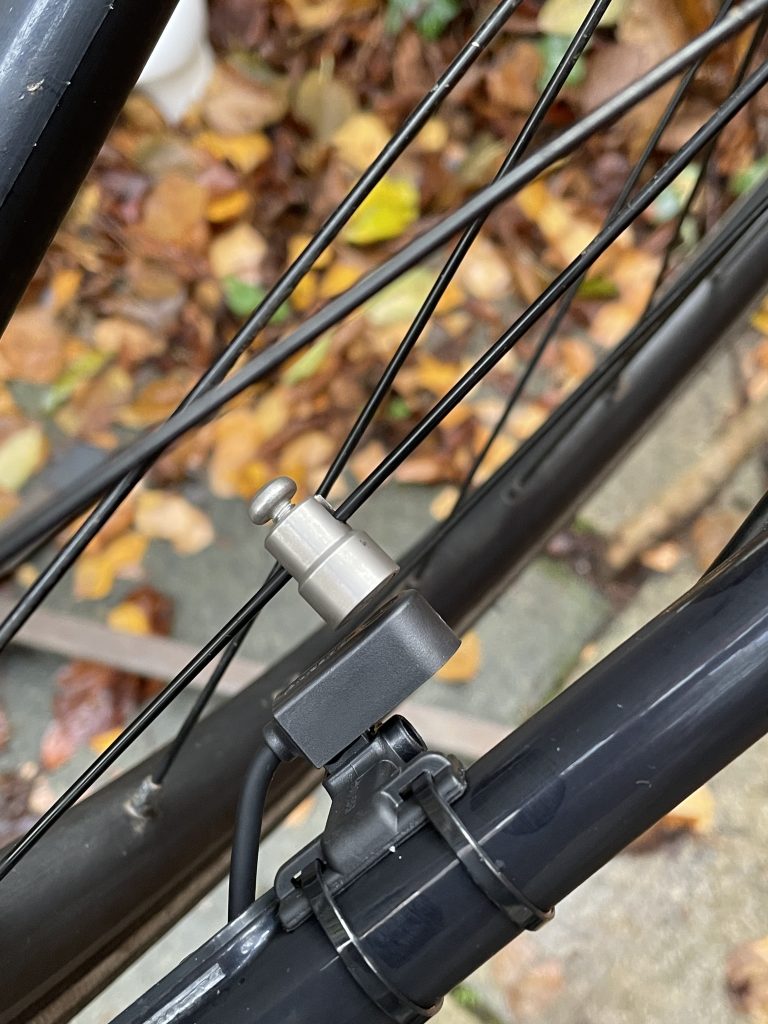
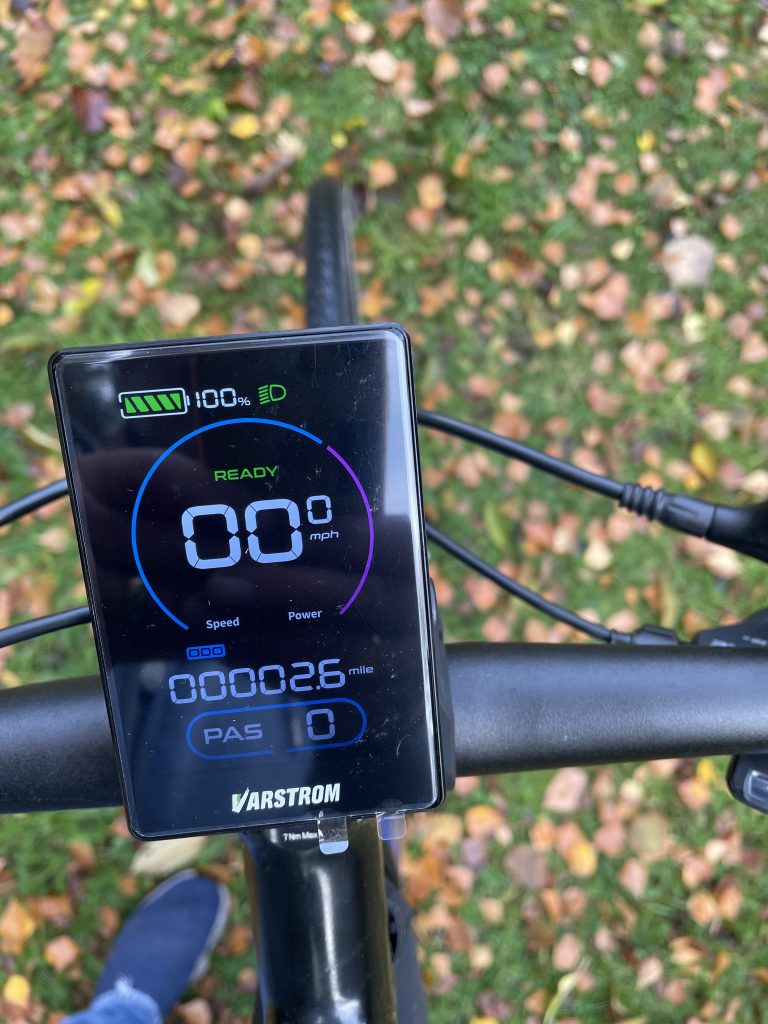
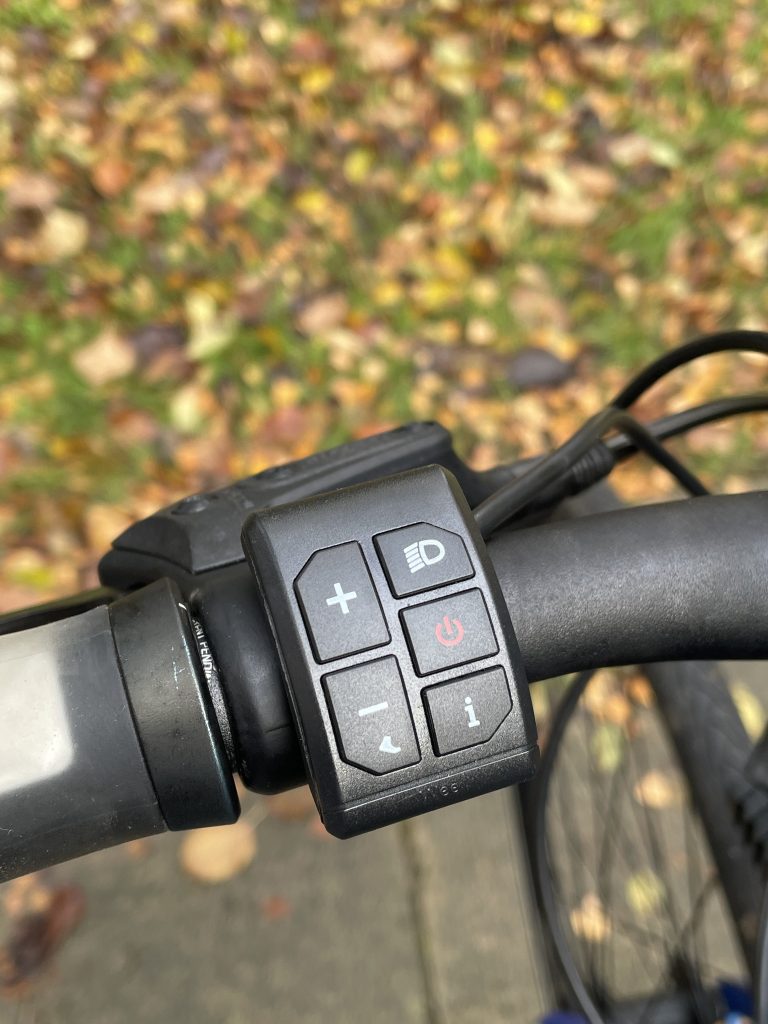
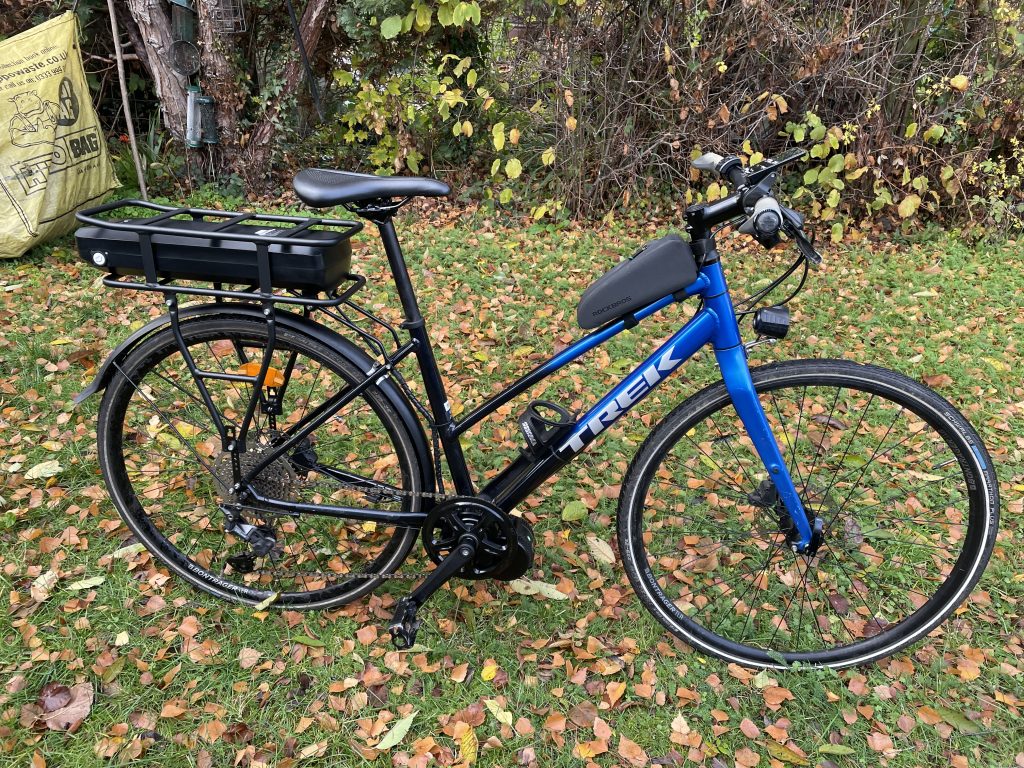
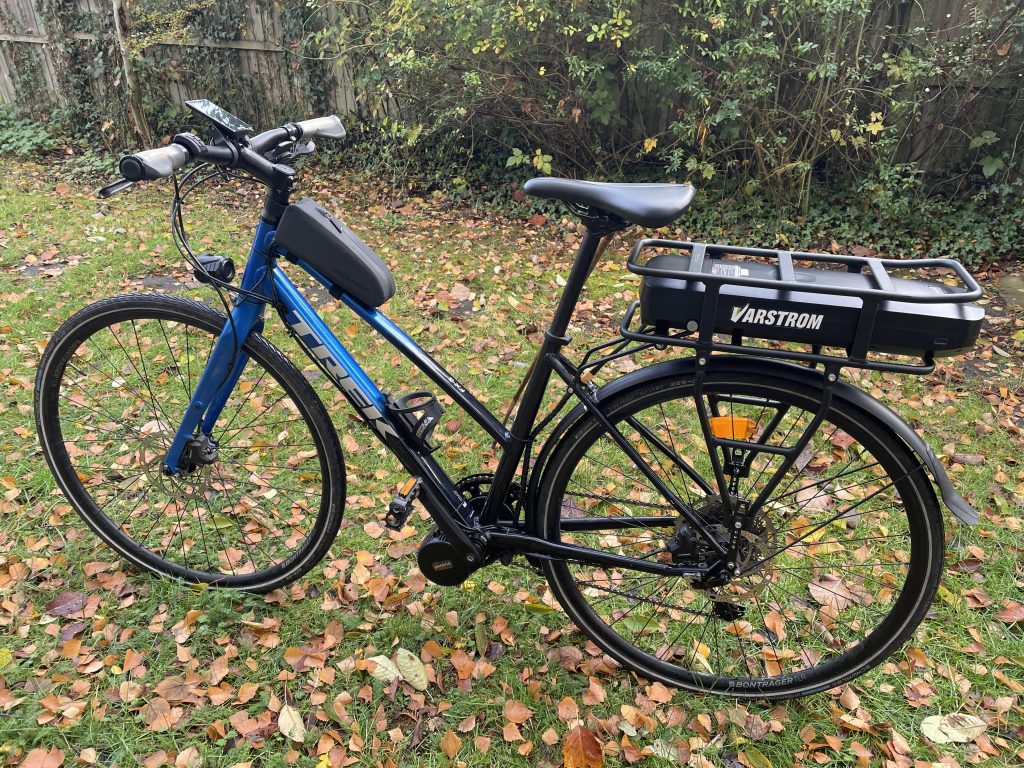
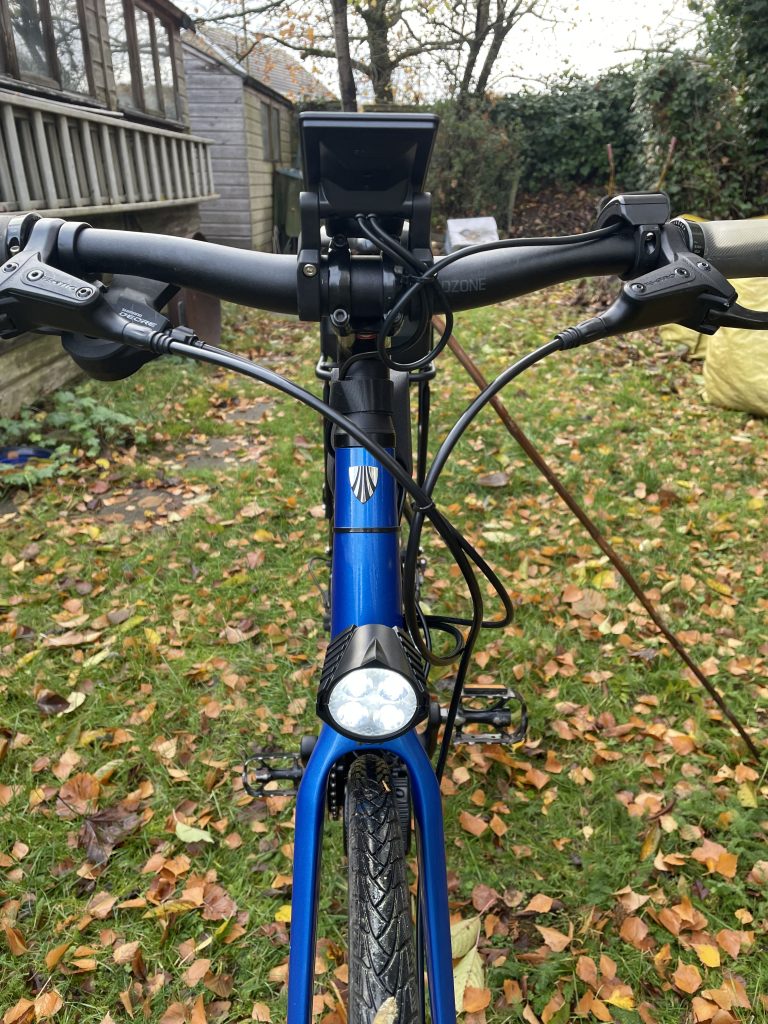
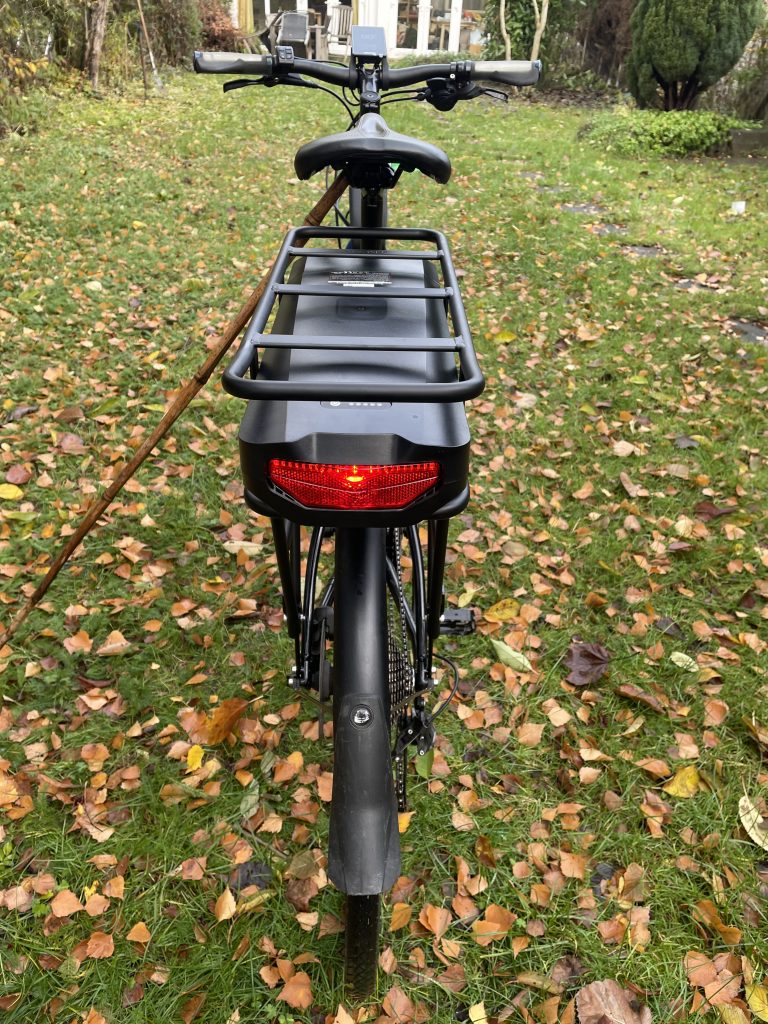
The kit came with a front light so I fitted that. It can be turned on and off with the button on the controller. The battery has a built-in rear light with its own switch.
After finishing fitting and tidying up the cables, I downloaded the manual for the display, as this allows the user to set wheel size, maximum speed and the number of power levels – 3, 5 or 9. I prefer 9 power levels which gives the smallest jumps between each level and more choice for a cruising speed, as each level increases speed until maximum speed (15-16mph) is reached with power level 9. Straight out of the box, it seems the maximum speed is far too high to be legal in the UK.